
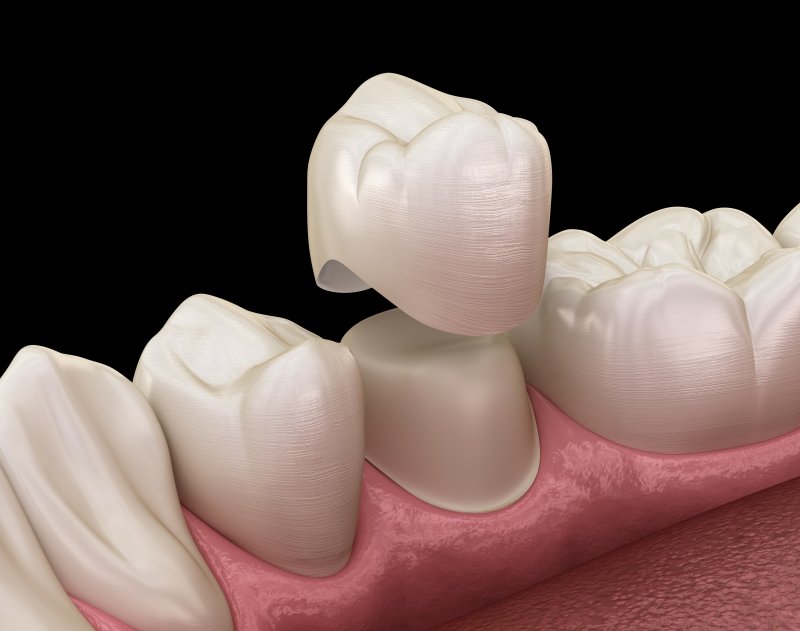
Dentists have used dental crowns to restore damaged teeth for thousands of years, and modern restorations are more comfortable, effective, and lifelike than ever before. However, you’ll still need to stick to a set of detailed aftercare instructions after the treatment to make sure your tooth heals properly. Here’s a quick guide to how dental crowns are placed and how you can help ensure a smooth and complication-free recovery.
What Are Dental Crowns?
Dental crowns are customized devices designed to be cemented over compromised teeth to restore their appearance and structure and prevent injuries and future infections. These appliances can be manufactured from a variety of materials like metal and ceramics depending on the needs and preferences of the patient. Crowns can last up to fifteen years before needing replacement if they receive excellent care, and they can allow damaged teeth to remain healthy and functional for much longer than they would if left untreated.
How Are Dental Crowns Placed?
Dental crowns are typically placed during two appointments. The process usually goes as follows:
- During the first appointment, your dentist will administer an appropriate anesthetic to ensure your comfort before removing infected or damaged sections of enamel from the treated teeth. Then, your oral health professional will take detailed measurements of your bite and place temporary crowns so you can get used to wearing them.
- The second appointment usually happens two weeks after the first when the patient’s permanent crowns arrive at their dentist’s office. Then, your oral health professional will carefully remove the temporary crowns, cement the permanent devices into place, and make any final adjustments. You’ll then be ready to show off your newly restored smile.
How Can I Keep My Recovery Process Smooth?
Your dentist will be sure to provide you with detailed aftercare instructions that will set you up for a smooth recovery. These will probably include:
- Taking over-the-counter pain medication as needed. Your discomfort should fade away on its own over several days after the treatment.
- Swishing with a solution of saltwater several times a day to soothe inflammation. Make saltwater by mixing a quarter teaspoon of salt into eight ounces of water.
- Being gentle when brushing and flossing the treated tooth. Take special care to clean along the seam between the crown and the natural enamel.
- Avoiding crunchy, tough, chewy, spicy, acidic, and sweet foods and beverages until you can enjoy them comfortably.
- Chewing mindfully to minimize the stress placed on the restoration.
Don’t let poor oral care set your tooth up for new infections after it receives a crown. Consulting with your dentist can help you understand how to stay comfortable while recovering after the treatment.
About the Practice
Healthy Smiles Dental Care offers the finest oral health services in Muskegon. Led by Drs. Steven Rodriguez, Jeffrey Sevener, and David Ludkin, the staff treats each patient with compassion, respect, and exemplary customer care. Areas of expertise include general, cosmetic, emergency, and restorative dentistry such as dental crowns. To learn more about recovering after receiving a dental crown, contact the office online or dial (231) 563-6878.