
Gum Disease Treatment – Muskegon, MI
Specialized Gum Disease Therapy for Smile Preservation
According to a study conducted by the Centers for Disease Control and Prevention, one out of every two Americans has gum disease. When your mouth becomes overrun with harmful oral bacteria due to poor oral hygiene, a weakened immune system, or other causes, you’ll notice the early signs of this condition, like inflamed and bleeding gums. Without proper treatment, it could progress and cause more permanent damage to your mouth. To learn more about how we can treat this problem, contact our dental office today to schedule a consultation to discuss gum disease treatment in Muskegon, MI.
Why Choose Healthy Smiles Dental Care of Muskegon for Gum Disease Treatment?

- Caring Team That Values Open Communication
- Advanced, Customized Gum Disease Therapy
- We Accept Dental Insurance
What Is Gum Disease?
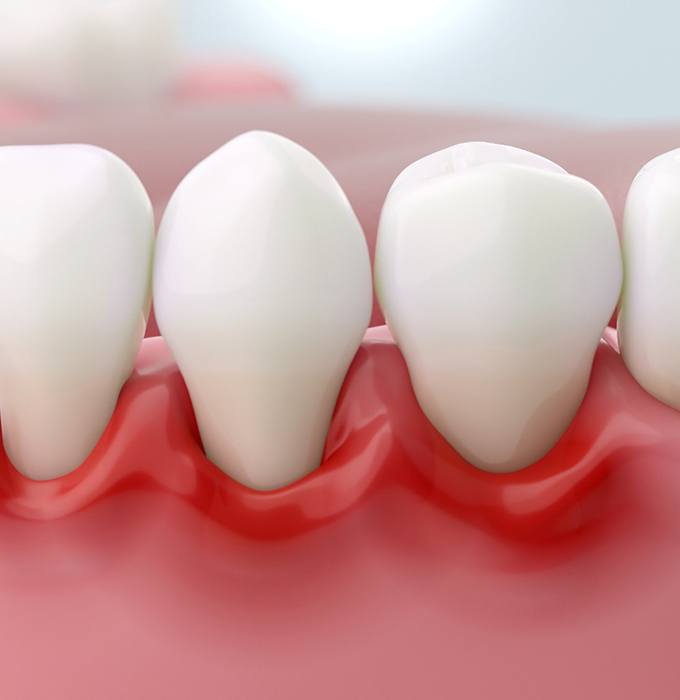
This oral health issue occurs when bacteria accumulate along and beneath the gum line, causing irritation and inflammation around the teeth. Gum disease is surprisingly common among adults in the United States, yet many people don’t realize they have a problem until it’s already progressed. Paying attention to changes such as ongoing tooth sensitivity can help you catch potential issues sooner rather than later. Regular dental checkups every six months also give us an opportunity to look for signs of infection and address them before they become more serious.
Symptoms of Gum Disease

Gum disease can start with signs that are easy to overlook, such as redness, swelling, or bleeding when you brush or floss. Without treatment, the infection can end up damaging the tissues supporting your teeth and eventually lead to problems such as loose teeth. If you notice changes in your gums, don’t wait for them to worsen before seeking care. Getting treatment early can help stop the infection from progressing and make it easier to protect your long-term oral health.
How Do We Treat Gum Disease?

At Healthy Smiles Dental, we offer several treatment options, and the right choice will depend on your specific needs and the condition of your gums. During your appointment, we’ll explain what each option involves, answer your questions, and help you understand what to expect.
Scaling & Root Planing

Scaling and root planing is a two-step process that we suggest for patients who are showing early signs of gum disease, such as bleeding and inflamed gums. We’ll begin the treatment by removing all plaque and tartar from your teeth, as far down as the pockets of your gums. This will help minimize the presence of harmful oral bacteria that caused these symptoms to appear. Lastly, we’ll smooth out the roots of your teeth to allow your gums to healthily reattach to them.
Antibiotic Treatment

We typically recommend antibiotic therapy in combination with scaling and root planing or the Chao Pinhole surgical technique. We’ll provide you with an antibiotic prescription in the form of mouthwash or a pill to help fight off harmful oral bacteria causing your symptoms. Since each patient’s needs are different, we prescribe the antibiotic based on your personal situation and how far your gum disease has advanced.
Chao Pinhole Technique

The Chao Pinhole surgical technique is a minimally invasive procedure that works just as a needle and thread would pull two pieces of fabric together. A small hole is made in the receded gums, where we’ll insert a special instrument to gently guide it downward (or upward) to cover the exposed root of your tooth. This will provide the vulnerable roots of your teeth with protection that they would be lacking if your gums were to continue receding.